Education has always been a cornerstone of personal growth, social development, and economic progress. In today’s fast-paced world, the way people learn is undergoing a significant transformation due to technological advancements, digital platforms, and innovative teaching methodologies. Modern education goes beyond traditional classrooms, offering flexible, accessible, and personalized learning experiences that empower individuals to reach their full potential.
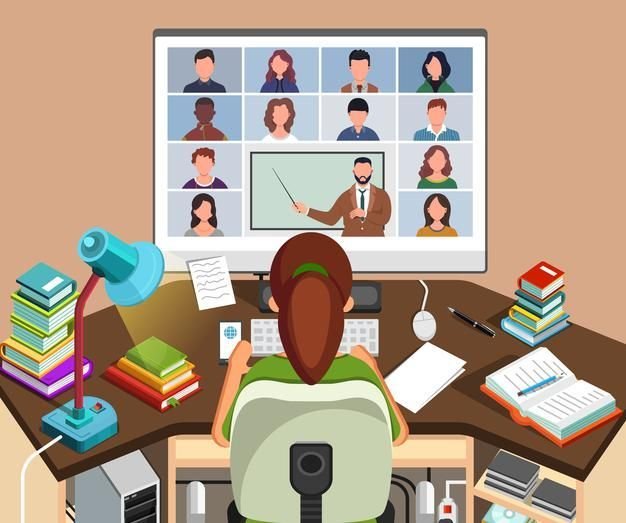
One of the most important changes in education is the rise of digital learning platforms. Online courses, virtual classrooms, and e-learning portals allow students to access educational content anytime and anywhere. This flexibility breaks geographical barriers, enabling learners from different parts of the world to acquire knowledge without being restricted by location. Digital learning also caters to various learning styles, with interactive modules, videos, and simulations enhancing understanding and retention.
Technology has also transformed teaching methods. Smart classrooms, digital whiteboards, and interactive apps facilitate engaging learning experiences. Teachers can incorporate multimedia resources, virtual labs, and real-time assessments to make lessons more effective and immersive. Technology empowers educators to track student progress, identify areas of improvement, and tailor teaching strategies to individual needs.
Personalized learning is becoming a central focus in modern education. Adaptive learning systems use algorithms to analyze student performance, preferences, and learning pace, creating customized learning paths. This approach ensures that each student receives the support they need, improving comprehension and motivation. Personalized education allows learners to progress at their own speed while mastering concepts effectively.
Access to global resources is another major benefit of modern education. Students can explore diverse perspectives, research materials, and expert insights from around the world. Open educational resources, digital libraries, and academic journals provide opportunities for in-depth learning, critical thinking, and knowledge expansion beyond the standard curriculum.
E-learning is particularly beneficial for working professionals and lifelong learners. Online courses, certifications, and skill-building programs allow individuals to enhance their careers without interrupting their work schedules. The availability of professional development programs and microlearning modules ensures continuous growth and adaptability in a competitive job market.
Collaborative learning is increasingly emphasized in modern education. Digital platforms enable students to work on projects, participate in discussions, and share knowledge virtually. Collaboration fosters teamwork, problem-solving skills, and communication abilities, preparing learners for real-world challenges. Group activities, peer reviews, and interactive forums create a more dynamic and engaging learning environment.
Education is also embracing experiential and hands-on learning. Virtual simulations, laboratory experiments, field studies, and project-based activities help students apply theoretical knowledge in practical scenarios. Experiential learning enhances understanding, retention, and critical thinking skills, preparing students for real-life applications of their education.
The use of artificial intelligence in education is revolutionizing learning experiences. AI-driven tools can provide personalized tutoring, instant feedback, and adaptive assessments. These tools help identify knowledge gaps, recommend resources, and optimize study plans, allowing learners to achieve better outcomes efficiently. AI also assists educators in analyzing data and refining teaching strategies for improved effectiveness.
Inclusivity and accessibility are vital aspects of modern education. Digital learning platforms and assistive technologies make education accessible to individuals with disabilities, remote learners, and marginalized communities. Features like text-to-speech, captions, language translation, and adjustable interfaces ensure that learning is equitable and inclusive, empowering all students to succeed.
Skill-based learning is gaining prominence alongside traditional academic education. Courses in coding, digital marketing, entrepreneurship, data science, and creative arts prepare learners for emerging career opportunities. Focusing on practical skills equips students with the tools they need to thrive in dynamic industries, bridging the gap between theoretical knowledge and real-world applications.
Education also emphasizes global awareness and cultural understanding. Students engage with international case studies, cross-cultural projects, and global perspectives, fostering empathy, critical thinking, and adaptability. Exposure to diverse viewpoints prepares learners to navigate an interconnected world effectively and responsibly.
Assessment methods are evolving with technology. Digital exams, online quizzes, and automated grading systems streamline evaluation processes while providing instant feedback. Continuous assessment, project-based evaluation, and interactive testing promote deeper understanding and reduce the reliance on traditional rote memorization.
Education is no longer confined to formal institutions. Informal learning through podcasts, webinars, online communities, and educational YouTube channels allows learners to acquire knowledge at their own pace. This democratization of learning empowers individuals to pursue personal interests, professional skills, and lifelong curiosity without restrictions.
Mental well-being is increasingly integrated into modern education. Programs that promote mindfulness, stress management, and emotional intelligence are incorporated alongside academic learning. Fostering mental health and resilience helps students maintain focus, motivation, and balance, enhancing overall learning outcomes.
In today’s world, education is more than acquiring knowledge—it is about developing skills, critical thinking, and adaptability. Modern education leverages technology, accessibility, and innovative methods to create learning experiences that are engaging, effective, and inclusive. Students are empowered to explore their interests, expand their horizons, and prepare for success in both personal and professional endeavors.
Modern education is transforming how people learn, grow, and interact with the world. By embracing technology, personalized learning, skill-based programs, and global perspectives, learners can achieve meaningful outcomes and lifelong growth. Education today is a dynamic, accessible, and empowering journey that equips individuals with the knowledge, skills, and mindset needed to thrive in a rapidly evolving world.
